


History of Riverview

Holtmeier House 

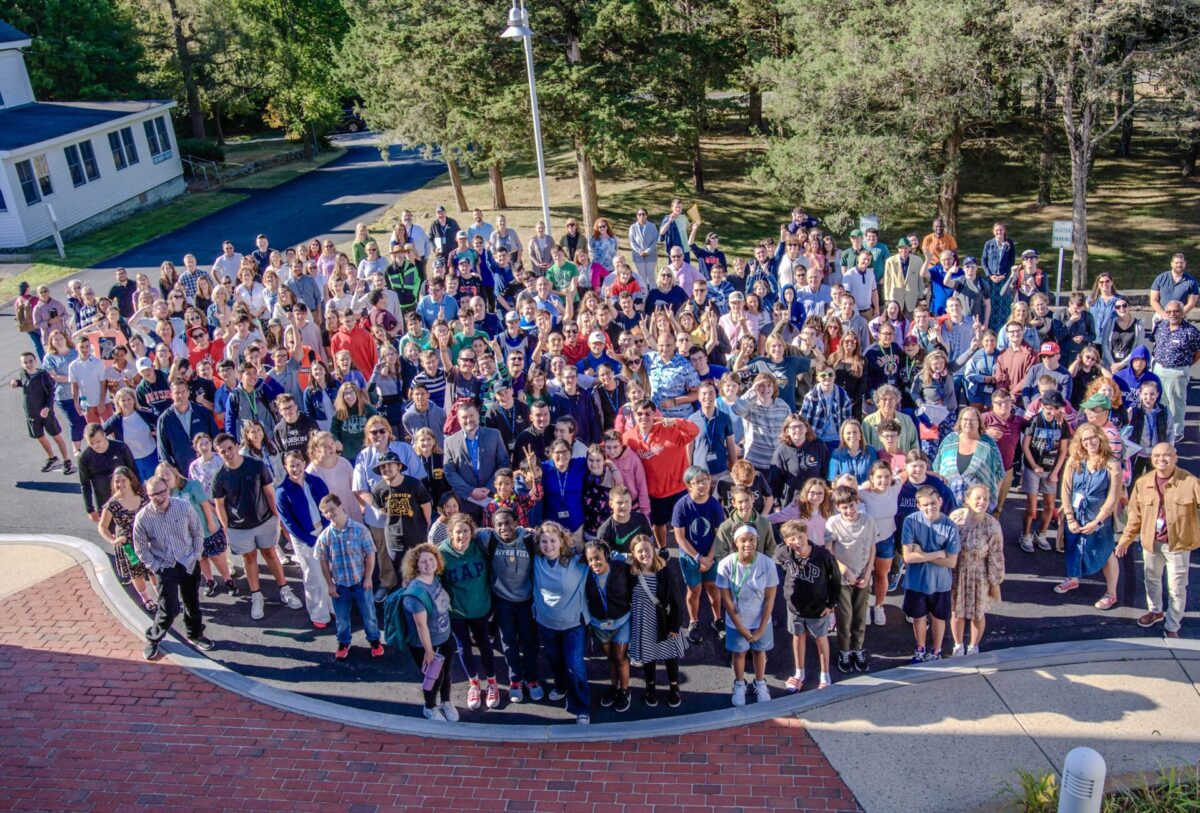
Founded in 1957, Riverview is an independent, co-educational residential school that provides a caring community for approximately 180 adolescents and young adults with complex language, learning and cognitive disabilities. The School is committed to developing student competence and confidence in academic, social and independent living skills. The goal of the School is to provide its students with a positive life experience that will ensure success in post-secondary programs and/or gainful, productive employment.

Riverview also recognizes its responsibility to contribute in a meaningful way to the knowledge base in the field of special education. We seek a racially, culturally, economically and geographically diverse student body with about equal numbers of girls and boys. We are non-sectarian with many religious affiliations represented. Our students come from 27 states and 9 international countries.

From its beginning in 1957, Riverview School developed a forward-looking, effective program and did so before the field of learning disabilities was defined. The evolution of the School has reflected the growing understanding of people with learning disabilities among educators, medical and social service professionals, governmental agencies and society in general. Riverview is proud to hold the first license issued by the Massachusetts Office for Children to operate a special needs school. Prior to the definition of the term "learning disability" in 1963, students were often misdiagnosed, misplaced and ineffectively served by school systems and related institutions.

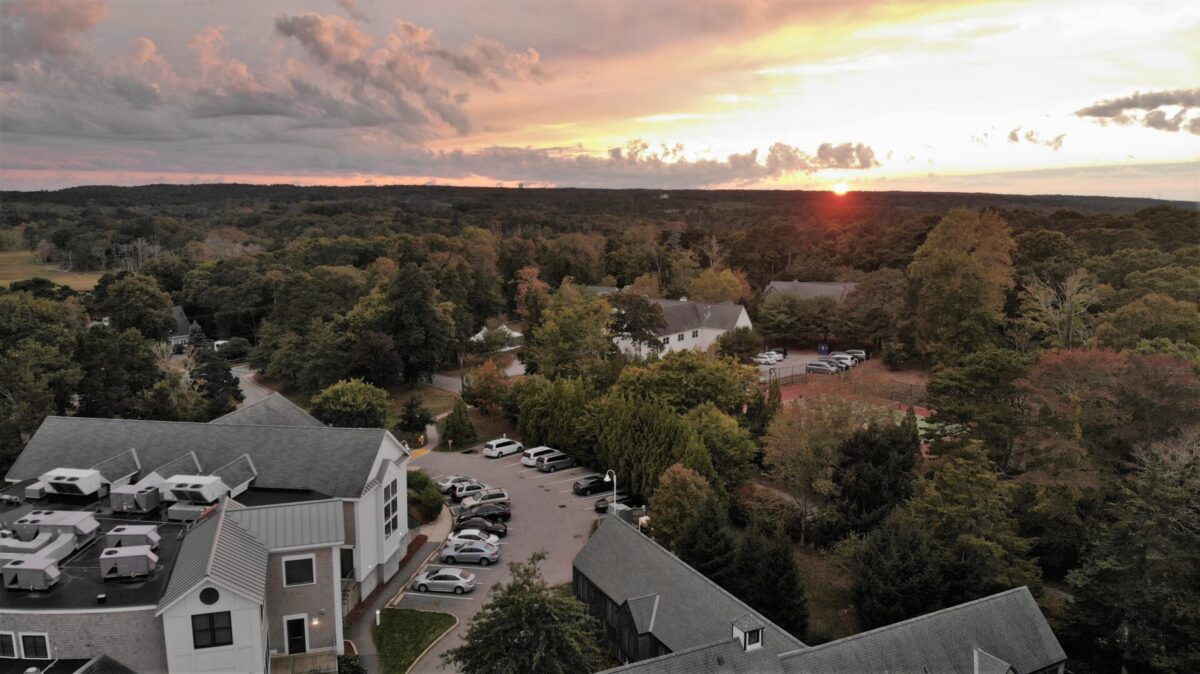
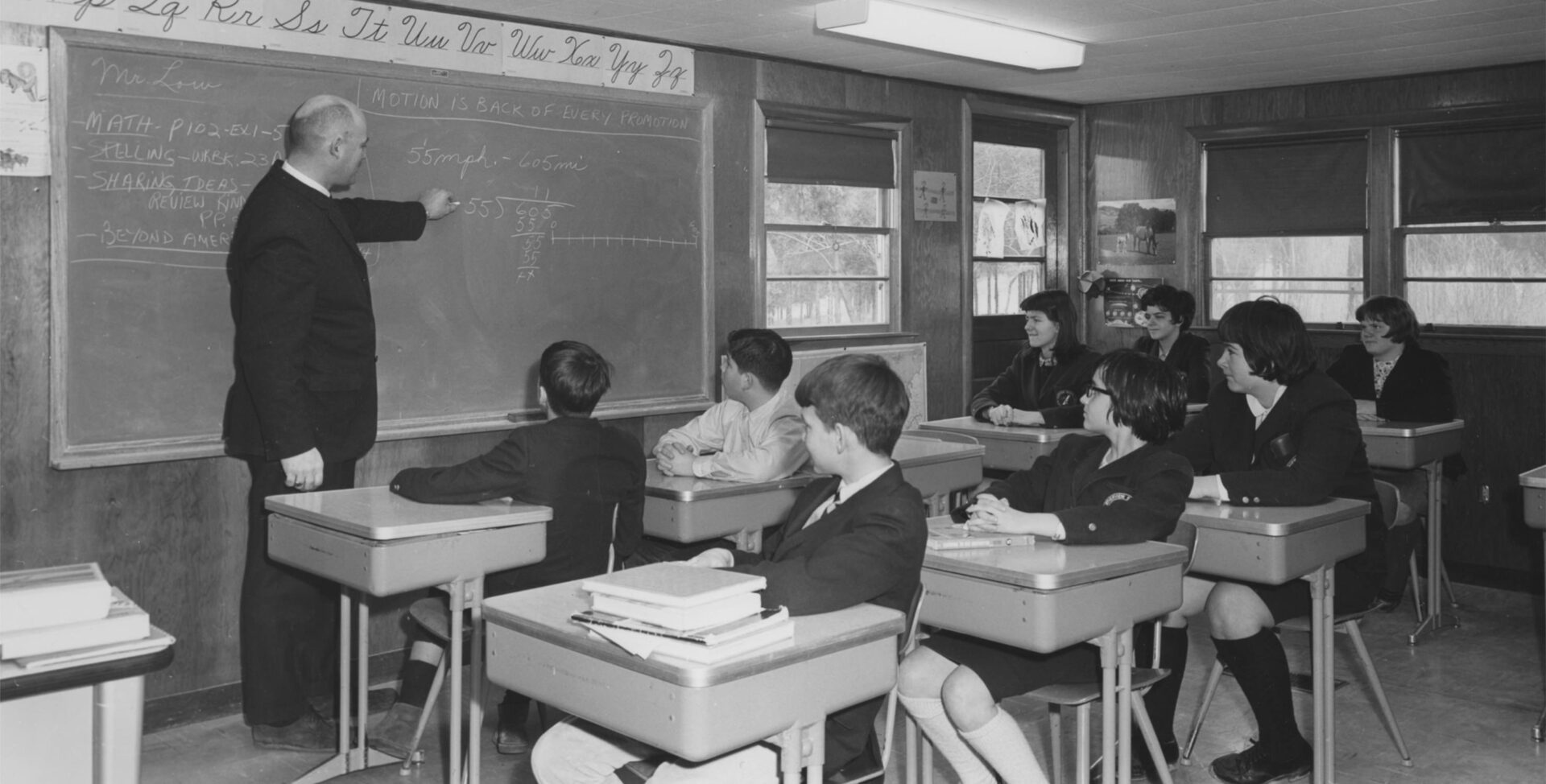
The School was founded by Mr. William Janse, an educator who worked in a school system in the Boston area and believed special students could learn to read and write if given appropriate individual attention. He opened a summer camp on a five-acre tract, which was later expanded into the present 16-acre campus. The camp was designed to provide students with an opportunity to enjoy a successful recreational and academic experience. The camp was so successful that the parents of the campers encouraged Mr. Janse to open a school. The founders invited the campers to stay for the school year, and the institution was established under its original name, Hopefields School.
Within five years the School grew to over 130 students. Make-shift classrooms, dormitories and offices were constructed. The sole structure on the property, an 1850 farmhouse, was retained and became home for a variety of uses over the years, including dormitory, infirmary, offices and kitchen/dining hall. This historic building, now called Holtmeier House, stands as a prominent dormitory, student cafe and office building on campus.

During the late 1960's Riverview established a long-term relationship with the Learning Clinic at Massachusetts General Hospital in Boston. Groundbreaking work in language and reading disabilities was developed and field-tested on Riverview's campus. Throughout the decade the School experienced important development of its physical plant and program. A library, gymnasium, classrooms and dormitories were constructed from 1961 through 1967.

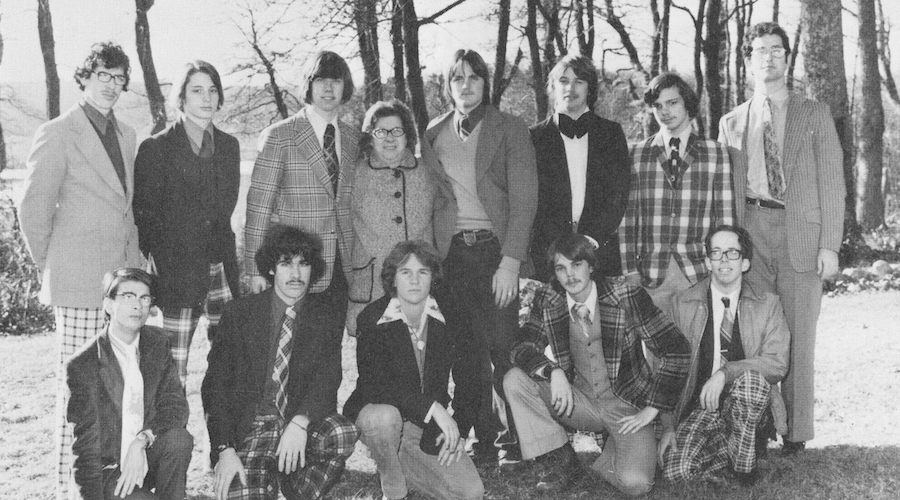
The decade of the 1970s saw further changes in the campus and the social/governmental environment in which the School functioned. Landmark advocacy legislation related to special education was enacted at the federal and state levels. Programs like Riverview came under the authority of a number of agencies to ensure that academic services and housing conditions were adequate.

In the later years of the decade, the founders, Mr. Janse and his partner Mr. Burgess Butler, effected the first transition in leadership of the School as they began their gradual retirement from active administration. They appointed a long-time Riverview employee, Mrs. Joanne Brooks, as Executive Director in 1978.

The period from 1978 to 1990 saw Riverview facing significant challenges as other independent and public schools began to design programs for the lower functioning learning disabled student. The School responded positively to these changes by improving communication about its services and seeking students from throughout the United States and internationally. In addition, improved dormitories were constructed and a new classroom facility built in 1987. With these enhancements in place, the School was in a position to offer higher quality programs to meet growing needs for services.

In 1990, Mr. Richard D. Lavoie was appointed as Executive Director to succeed Dr. Brooks upon her retirement. Under Mr. Lavoie's leadership, Riverview experienced extraordinary growth. The School instituted a plan to improve and expand services to students, their families and the wider community. With the support and involvement of the Board of Trustees, Riverview implemented a strategy to enhance the quality and effectiveness of the program through vertical diversification (accepting students younger and older than traditional high school ages, major curriculum redesign and increased emphasis on social skill development. In 1997, the School received a ten-year reaccreditation by the New England Association of Schools and Colleges.

Program enhancements of the 1990s include the initiation of a post secondary program (GROW: Getting Ready for the Outside World). Filling an urgent need for post high school living, GROW opened three residences along with an affiliation with Cape Cod Community College for a college experience as well as liaison with many local employers. In addition, two third-tier living situations (LIFE: Living Independently ForEver) opened in Hyannis and then Mashpee, Massachusetts. A middle school program was opened and a summer camp reestablished. The campus dining hall, classroom complex and new high school classroom facilities were constructed. A state-of-the-art Wellness/Fitness Center was opened. In addition, other campus improvements included a new dormitory, sports field, renovated auditorium, expanded campus telephone and computer capacity and technology upgrades.

In 2001, Mrs. Maureen Brenner became Head of School to replace Mr. Lavoie as he departed to spend more time on writing and speaking. Mrs. Brenner came to Riverview with over twenty-five years in education at increasing levels of responsibility with a special affinity for adolescents with special needs. She was also co-founder of the Center for Educational Performance, an organization that focuses on special education, curriculum development and the mentoring of administrators.

Major initiatives in the past year have included an expansion of the post-secondary program, the acquisition of two GROW residences in the local area, as well as a strong commitment to further curriculum development and professional growth.

Music, art and cultural education have been integrated into the curriculum in a more formal way. Plans call for further development of these programs in anticipation of the construction of a new campus arts center and auditorium in a later phase of the current capital campaign.

Today, Riverview School approaches the future with a long tradition of leadership in the education of people with learning disabilities. The long-term strategic plan calls for the school to build on its strong foundation to refine academic programs, improve facilities, expand the post-secondary program, extend outreach efforts and strengthen endowment resources.


Copyright 2007, Riverview School. All Rights Reserved. Login |   Logout | Feedback